Ad fatigue: how to spot it on Facebook and Meta before it costs you
Good ads don’t break overnight. They wear out slowly, and the signs show up in your numbers days before the cost does.
On this page · 6 sections
To spot ad fatigue on Facebook and Instagram, watch three numbers on the same ad over several weeks: frequency, link click-through rate and cost per result. Fatigue shows up in that order. Frequency rises as the same people see the ad again. Click-through rate falls because they stop noticing it. Cost per result climbs last, once fewer people engage. When the first two move together for a week, act before the third follows. Compare the ad with its own earlier weeks, not with a fresh ad, and use the same attribution setting each time. If every ad drops at once, look elsewhere first: tracking, the site, the season. The fix is usually a refresh, a new hook or opening shot on the same idea, and a few ready replacements so a tired ad never leaves you starting from zero. On a small audience, widening it can also give every creative a longer life.
TL;DR
- Ad fatigue means the same people have seen the same ad too often. Meta links it to rising costs.
- Watch three signals: frequency up, link CTR down, then cost per result up.
- Compare an ad with its own earlier weeks. A sudden drop on every ad is usually something else.
- Refresh the hook before rebuilding the ad, and keep replacements ready.
- Adwize can watch for fatigue around the clock from a rule you write in one sentence.

What is ad fatigue on Meta?
Ad fatigue is what happens when the same people have seen the same ad too many times. They stop noticing it, or they scroll past on purpose. Meta’s guidance describes creative fatigue as something that can lead to rising costs when audiences have been overexposed to the same ads.
It happens to every ad, including your best one. A strong ad gets more delivery, reaches its audience faster and so can wear out sooner. The question is not whether it will tire, but when, and whether you notice before the bill does.
Fatigue is also easy to confuse with other problems. A broken checkout, a tracking issue or a seasonal dip can all push costs up. Each needs a different fix, so the first job is telling them apart.
What are the signs of Facebook ad fatigue?
Three signals, usually in this order: frequency goes up, link click-through rate goes down, then cost per result goes up. The first two are early warnings. The third is the one that costs money, and by the time it moves, the ad has often been tiring for days.
Frequency is the average number of times each person saw your ad. Alone, a rising frequency is not bad news. It is the context for the next signal.
Click-through rate falling on the same ad and the same audience means fewer people act on what they see. When that happens while frequency climbs, the same people are seeing the ad and ignoring it. Cost per result follows, because each result gets harder to win.
| Signal | Where to read it | What it means | What to do |
|---|---|---|---|
| Frequency rises | Frequency, at the ad level | Same people, more views | Prepare a replacement |
| Link CTR falls | Link CTR, same ad over weeks | People stop reacting | Test a new hook |
| Cost per result rises | Cost per result, same ad | Results get harder to win | Swap in fresh creative |
How do you tell fatigue from other drops?
Compare the ad with its own first weeks, not with a fresh ad. A slow, steady slide on one ad while frequency climbs is fatigue. A sudden drop across every ad at once points to something else, such as tracking, a change on your site or a seasonal dip.
Keep the comparison fair. Use the same attribution setting and the same window each week, since a new setting changes which results are counted. The last 7 days against the 7 days before is a steady rhythm for most accounts.
The difference matters because the fixes are different. New creatives will not repair a broken checkout, and a tracking check will not revive a tired hook. Ten minutes of diagnosis saves a week of changing the wrong thing.
Why do small audiences wear ads out faster?
Because the same people see the ad more often. Meta’s guidance warns that limiting your audience size too narrowly can increase your costs and lead to creative fatigue as the same users see your ads again and again. A narrow audience runs out of fresh eyes quickly.
Meta for Business also says its delivery system works best with audiences of 2 to 10 million people, because a bigger audience gives the auction more chances to deliver ads and optimize.
So when an ad keeps tiring within days, look at the audience before the creative. Widening it, or merging two small ad sets that target similar people, can give every creative a longer life. A fresh ad on a tiny audience will simply tire faster too.
- Frequency
- = impressions ÷ reach
How do you fix and avoid ad fatigue?
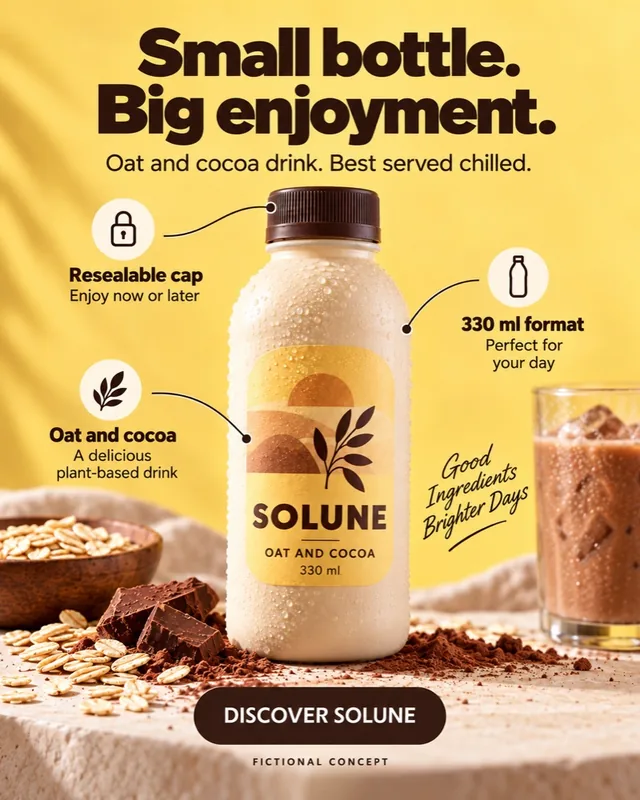
Refresh before you rebuild. Often a new hook or a new opening shot on the same idea is enough to win attention back, because the offer still works and only the packaging has worn. Keep the winning angle and change what people see first.
Meta’s guidance recommends testing new images and videos continuously, and notes that frequent testing combats creative fatigue. In practice, keep two or three fresh versions ready before you need them, so rotating one in is a small change instead of a rush job.
Turn the tired ad off once its replacement is running and has spent enough to judge. Switching everything at once throws away what the account knows. Write down what the old ad did well, so the next version keeps it.


How can Adwize watch for fatigue for you?
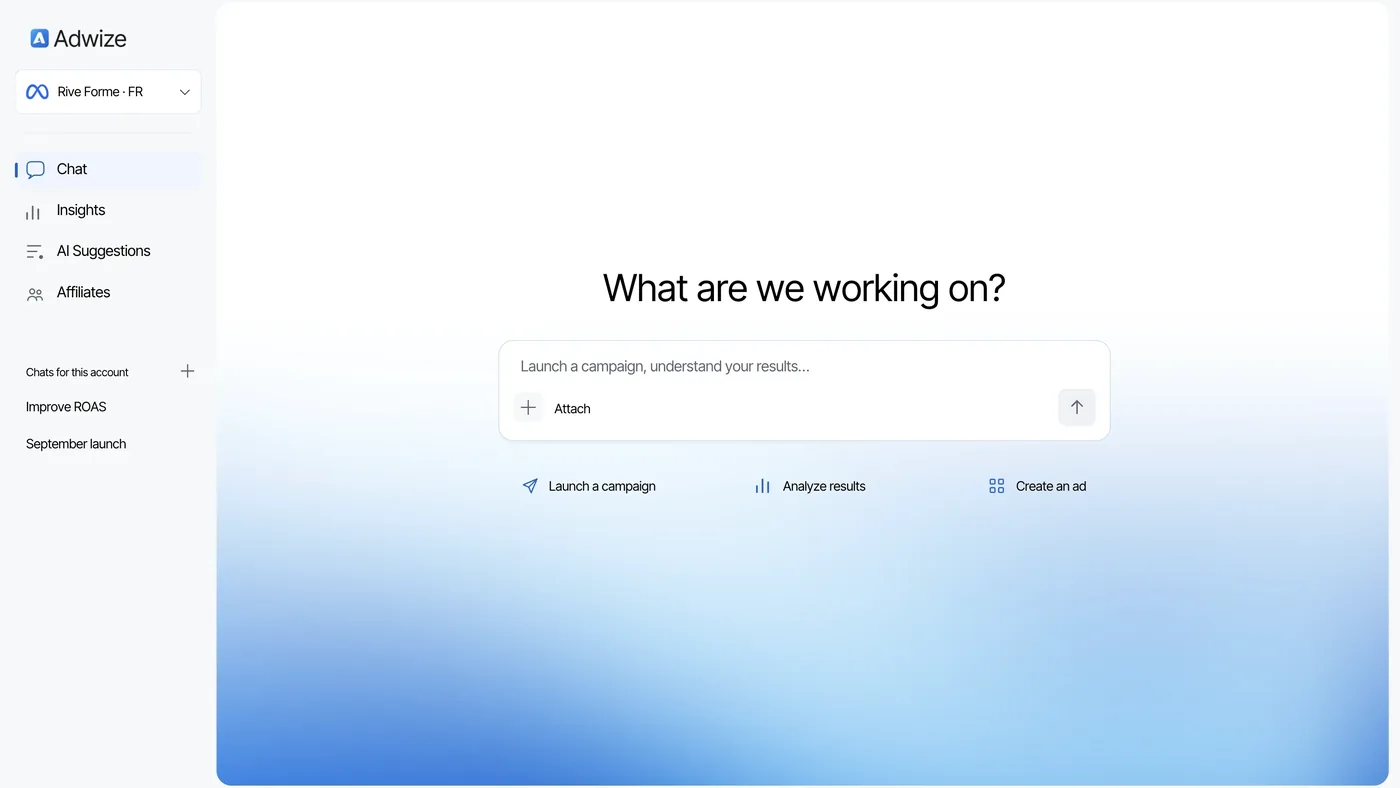
You write the rule in one sentence and Adwize checks it around the clock. For example: tell me when an ad’s click-through rate drops for a week while its frequency climbs. There are no forms or formulas. You type it the way you would say it.
When the rule trips, you get an alert with the suggested fix, ready to approve in one tap. Nothing changes without your OK. Rules and 24/7 monitoring start on the Growth plan, at $297 a month; the Automate page shows how a rule is set.
Adwize can also prepare the replacements. It gives you a heads-up when an ad wears out, with fresh versions of your best ad ready in your colors and tone. To set up your first rule, start a free trial.
Frequently asked questions
What frequency is too high on Meta?
No single threshold fits every account. Watch frequency together with click-through rate and cost per result on the same ad; the trend matters more than the number.
How quickly does ad fatigue set in?
It depends on audience size, budget and the ad itself. Smaller audiences and bigger budgets reach the same people sooner, so ads tire faster.
Should I turn off a tired ad right away?
Not before its replacement is live. Run the fresh version first, let it spend enough to judge, then switch the old one off.
Is a drop in results always ad fatigue?
No. If every ad drops at once, check tracking, your site and the season first. Fatigue shows on one ad at a time, while frequency rises.
Can Adwize alert me when an ad gets tired?
Yes. Write the rule in one sentence and Adwize checks it 24/7, then sends the suggested fix for your approval. Rules start on Growth.
Sources
- Meta Horizon OS Developers: Understanding and optimizing your ad campaignAccessed 09/24/2026
- Meta Marketing API reference: Ad Account InsightsAccessed 09/24/2026
- Meta for Business: Ad targeting, explore audience options to reach customersAccessed 09/24/2026